


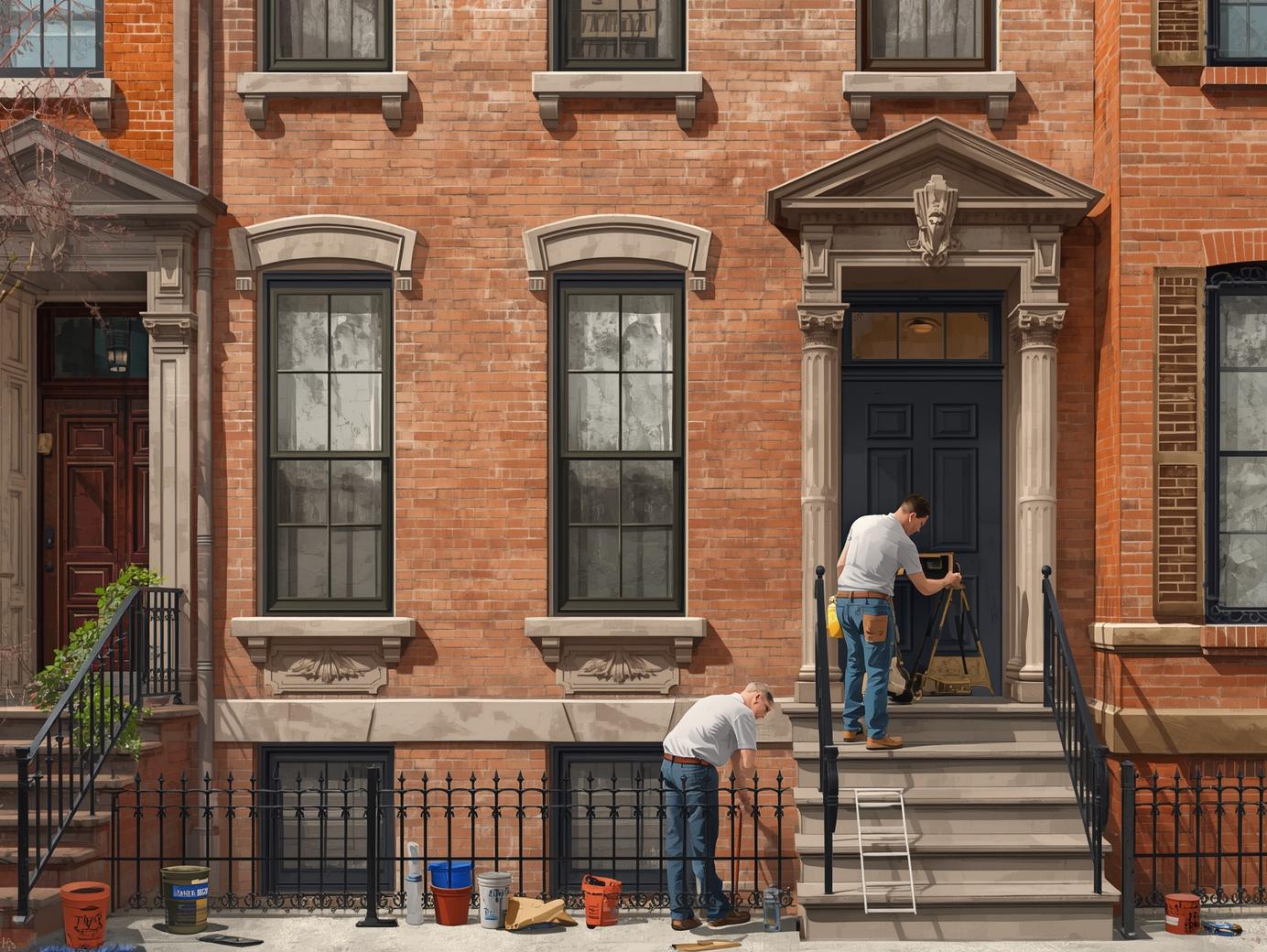
Most historic Boston homes present unique challenges. You're not just fixing a house; you're preserving a piece of history. Understanding the original construction methods is key, as improper repairs can cause irreversible damage. This guide will walk you through keeping your historic property in top shape, ensuring its longevity and value.
Key Takeaways
Keeping up a historic Boston home isn't just about fixing things; it's practically a masterclass in history. You're not just repairing a window; you're preserving a piece of the city's story, which means finding period-appropriate materials and methods. It's way more involved than a modern home and really makes you appreciate the craftsmanship of yesteryear.
Original materials often outperform modern substitutes in historic homes. Things like slate roofs, plaster walls, or specific types of wood were chosen for their durability and how they handle Boston's weather.
Specialized skills are essential. Working on these old homes requires tradespeople who truly understand historic preservation. This isn't a job for just any contractor.
What's the Deal with These Old Boston Houses Anyway?
You're probably wondering what makes these venerable Boston homes so special, right? Every single brick, every timber, it all tells a story, often centuries old, and understanding that narrative is the first step to truly caring for your piece of history. These aren't just buildings; they're living archives, holding secrets from colonial times to the Gilded Age, and keeping them healthy means respecting that incredible lineage.
Owning one of these beauties means you're not just a homeowner; you're a steward, entrusted with preserving a piece of Boston's soul. You'll quickly discover that the materials and construction methods are vastly different from modern homes, and that's precisely why a specialized approach to maintenance and repair isn't just recommended - it's absolutely vital.
Why I'm Seriously Obsessed with Beacon Hill Brick
There's something undeniably captivating about Beacon Hill's brickwork, isn't there? The way the light hits those perfectly laid, often uneven, old bricks just screams history, and it's a beauty that's tough to replicate. You'll find that these bricks aren't just pretty; they're incredibly resilient, built to withstand centuries of New England weather.
Maintaining that iconic façade means really understanding the mortar - it's not like today's stuff. Using the wrong type of modern, hard mortar can actually do more harm than good, trapping moisture and causing the softer historic brick to spall. Matching the original lime-based mortar is absolutely critical for the long-term health of your brickwork, so don't let anyone tell you otherwise.
The Real Truth About Victorian Wood Rot
You've probably heard horror stories about wood rot in Victorian homes, and honestly, some of them are true. These elaborate architectural details, while stunning, often created perfect little pockets for moisture to linger, setting the stage for decay. It's not always a quick fix either, requiring careful attention to detail and a real understanding of how these structures were originally built.
Spotting early signs of rot can save you a fortune later on. Look for areas where paint is peeling excessively, or where the wood feels soft to the touch. Ignoring even small areas of rot can quickly lead to widespread structural damage, compromising the integrity of ornate trim, window sills, and even structural timbers.
Because many Victorian homes feature intricate millwork and decorative elements that are no longer mass-produced, repairing rotted wood often means more than just replacing a simple board. You might need to find a skilled carpenter who specializes in historical reproduction, someone who can meticulously match profiles and joinery techniques. This isn't a job for just any handyman; it requires a craftsman who understands the nuances of period architecture, ensuring any repairs blend seamlessly and preserve the home's authentic character.
Keeping the Outside Looking Sharp Without Losing Your Mind
Maintaining the exterior of your historic Boston home is a constant dance between preservation and practicality, a delicate balance you've got to master. You're not just painting a wall; you're safeguarding a piece of history, and sometimes, that means making tough calls about what stays and what absolutely has to go. Protecting these venerable facades from Boston's harsh weather, the salt air, and general urban grime requires a thoughtful approach, one that respects the original craftsmanship while ensuring your home stands strong for another century. It's about knowing when to call in the pros and when a little elbow grease from you will do the trick.
Windows Are Actually the Biggest Headache You'll Face
Your historic windows, those beautiful wavy-glass panes, are often the first things to show their age and the hardest to truly fix right. They're notorious for drafts, rattling, and peeling paint, making them a constant battle against energy loss and decay. Replacing them with modern units might seem like an easy fix, but you'd be sacrificing historical integrity and often, the unique character that makes your home special. Instead, consider restoration by a skilled artisan; it's an investment, but it pays dividends in authenticity and comfort.
Honest Talk About Repointing That Old Brick Masonry
Repointing, the process of renewing the mortar joints in your brickwork, is probably one of the most critical tasks for your home's long-term health. You'll see crumbling mortar, weeds sprouting from cracks, and maybe even water seeping in - all clear signs it's time to act. Choosing the wrong mortar can actually do more harm than good, trapping moisture and accelerating brick deterioration. This isn't a DIY weekend project; you need someone who understands historic masonry.
Seriously, finding the right contractor for repointing is a big deal. They need to match the original mortar's composition, color, and joint profile precisely. Using modern, hard cement-based mortar on soft, historic brick is a recipe for disaster, causing bricks to spall and crack because they can't breathe. Always ask for references and examples of their work on similar historic properties.
What's Hiding Behind Those Gorgeous Plaster Walls?
Peeling back layers of wallpaper and paint in your historic Boston home can feel like opening a time capsule, revealing not just the decorative tastes of previous generations but also the inner workings of systems long past their prime. You'll often find a fascinating, sometimes frustrating, mix of original craftsmanship and subsequent, often haphazard, updates lurking beneath those beautiful surfaces. Understanding these hidden elements is your first step toward effective and respectful maintenance.
Knowing what lies beneath the plaster is key to avoiding costly surprises and ensuring your home's longevity. Are you prepared for what you might uncover, or will you face a daunting task when a repair is needed? Prepare yourself for a journey through the evolution of home infrastructure.
Dealing with Plumbing That's Literally Older Than Your Grandma
Imagine a plumbing system that predates modern building codes, one that might have served generations of Bostonians. You're probably dealing with a mix of galvanized steel, cast iron, and perhaps some lead pipes - yes, lead pipes are a serious concern in older homes. These antique materials are notoriously prone to corrosion, leaks, and reduced water pressure. Replacing these antiquated systems isn't just about convenience; it's about protecting your home from water damage and ensuring safe drinking water. Don't wait for a burst pipe to force your hand; proactive assessment can save you a fortune and a major headache.
The Real Deal About Knob and Tube Wiring
Looking at your walls, you might not see the original electrical wiring, a system known as knob and tube, which was common from the 1880s to the 1940s. This wiring consists of single insulated copper conductors run individually through ceramic knobs, providing support, and ceramic tubes, protecting the wires when they pass through joists. It was cutting-edge for its time, but modern electrical demands are a different beast.
You'll find that many insurance companies are wary of homes with active knob and tube wiring because of its inherent risks. Overloading these circuits or having damaged insulation can create significant fire hazards. It's a charming relic, but a potentially dangerous one if not properly managed or replaced. This system lacks a ground wire, a standard safety feature in modern wiring, which means appliances aren't protected from surges and you're at a higher risk of electric shock.
Plus, the insulation, often rubber or cloth, degrades over time, becoming brittle and exposing live wires. Many homeowners choose to replace knob and tube wiring entirely to ensure safety and meet modern electrical demands, a significant but often necessary investment.
Navigating the Nightmare of Historic Commissions
You've got a beautiful old home, and you're ready to make some changes - but wait, do you know what kind of bureaucratic maze you're about to enter? Dealing with historic commissions can feel like a never-ending battle of wills, a frustrating dance between preservation and progress. It's a process that demands patience, a thick skin, and a deep understanding of the rules before you even think about lifting a hammer.
Preparing for these meetings means bringing your A-game, armed with detailed plans, material samples, and a clear, concise argument for every single alteration you propose. You might feel like you're constantly justifying your decisions, even for seemingly minor repairs, but trust me, understanding their perspective is half the battle.
Don't Even Think About Skipping the Permit Process
Thinking about just painting your front door a different color without asking? Or maybe replacing those drafty windows with something more modern, quietly, on a Saturday? You'd be making a huge, costly mistake. Boston's historic districts are under constant watch, and neighbors often have sharp eyes. Ignoring the permit process, even for small cosmetic changes, can lead to stop-work orders, hefty fines, and the agonizing requirement to undo all your work - sometimes even restoring it to its original condition. Is that really a risk you're willing to take?
My Take on Why the Landmarks Commission Isn't All Bad
Does the Boston Landmarks Commission sometimes feel like a roadblock, an unyielding gatekeeper to your home improvement dreams? You might think they're just there to say "no," to stifle any innovation, but I've come to see their role a bit differently. They're actually protecting something incredibly special. They're preserving the very soul of Boston, ensuring that the charm and character that drew you to your historic home in the first place don't get erased by thoughtless renovations.
Think about it: without them, every beautiful brownstone could become a jarring modern monstrosity, and then where would that leave our beloved city? This commission truly aims to help homeowners maintain their properties while honoring the past, offering guidance on appropriate materials and methods that respect the building's historical integrity. They can be a fantastic resource if you approach them with an open mind and a willingness to collaborate, often suggesting solutions you hadn't even considered that both meet your needs and uphold the building's legacy.
Finding a Contractor Who Actually Knows Their Stuff
You've learned about the specific needs of your historic Boston home, now comes the hunt for someone who can translate that knowledge into action. This isn't just about finding a good contractor; it's about finding a great one, someone who respects the past while skillfully addressing the present. You're entrusting them with a piece of history, so their expertise really matters.
Finding the right professional can feel like a daunting task, but with the right approach, you'll uncover the true artisans. You need someone who understands the nuanced construction methods of centuries past, someone who views preservation as a calling, not just another job. Their approach to your home's unique challenges will make all the difference.
Why Generalists Aren't Always Your Best Bet Here
Many contractors boast about their versatility, claiming they can handle anything from new builds to historic renovations. However, historic homes often demand a very particular set of skills and a deep understanding of traditional materials. You wouldn't ask a general practitioner to perform brain surgery, would you? Specialized knowledge is paramount when dealing with delicate structures and original components.
A general contractor might attempt to "modernize" features that should be preserved, inadvertently causing irreversible damage or diminishing your home's authentic character. You need someone with a proven track record in historic preservation.
Questions You've Gotta Ask Before the Hammers Fly
Before anyone lays a finger on your precious home, you absolutely must conduct thorough interviews. Ask about their experience with similar properties in Boston - not just old houses, but historic ones. Their portfolio should reflect a genuine understanding of preservation techniques. Inquire about their approach to sourcing period-appropriate materials and their philosophy on repairing versus replacing original elements.
You want to ensure they prioritize preservation above all else, especially when it comes to irreplaceable features. What specific projects have they completed that involved original plaster, antique windows, or historic masonry? You need to know they're not just guessing. Ask them to describe a challenging historic repair they successfully executed, detailing the specific methods and materials used. This will reveal their true depth of knowledge and commitment to authentic restoration.
How Do We Make These Places Actually Livable Today?
You own a piece of history, a beautiful Boston home that's stood for centuries, but let's be real, you also want to enjoy modern comforts. Blending your home's historic integrity with contemporary living requires a thoughtful approach, focusing on upgrades that enhance comfort and efficiency without compromising its irreplaceable character. You can truly have the best of both worlds, a home that feels both ancient and perfectly suited for your 21st-century lifestyle.
Preserving historical accuracy while integrating modern amenities might seem like a tightrope walk, but it's entirely possible with careful planning and the right expertise. You're not just maintaining a house; you're curating a living museum, ensuring its future while honoring its past. It's about making smart choices that respect the original craftsmanship and materials, letting your home tell its story while also serving your needs.
Sneaking in Some AC Without Ruining the Vintage Vibe
Thinking about air conditioning in a historic home often conjures images of ugly window units or destructive ductwork, right? Luckily, technology has come a long way, offering discreet solutions that keep you cool without tearing apart your home's original plaster or disrupting its elegant lines. You can actually enjoy summer without sweating through your antique chaise lounge.
Mini-split systems are a game-changer here, offering zoned cooling with minimal visual impact. You can place the indoor units strategically, often high on a wall or even recessed, making them barely noticeable. Plus, they're incredibly efficient, which is a nice bonus for your utility bills.
Putting Smart Home Tech in a 200-Year-Old Room
Integrating smart home technology into a historic Boston residence might sound like a sci-fi movie, but it's surprisingly achievable and incredibly useful. You can control your lighting, climate, and security with a tap, all without drilling countless holes or running visible wires. Imagine adjusting your thermostat from your phone while preserving original wood paneling.
Many smart devices are designed to be minimally invasive, often using existing wiring or wireless protocols. You can find smart switches that fit into antique light switch plates, or thermostats that mimic vintage designs. The goal is to enhance convenience and energy efficiency, not to turn your historic home into a spaceship. It's about making your life easier, not harder, and certainly not about destroying your home's unique charm.
You'll discover that many smart home components are surprisingly adaptable to older structures, even those with quirky electrical systems. Wireless sensors and battery-powered devices are your best friends here, allowing you to monitor doors, windows, and even water leaks without extensive installation. You can even find smart lighting solutions that screw into existing fixtures, offering dimming and color control without changing out a single switch. Just make sure to consult with an electrician experienced in historic homes; you wouldn't want to accidentally trip a fuse box from the 1800s.
Conclusion
On the whole, preserving a historic Boston home isn't just about fixing a leaky roof or repainting a peeling window frame; it's about safeguarding a piece of history. You're not just a homeowner, you're a custodian, playing a direct role in maintaining the unique character of Boston's architectural past. Think about all the stories those walls could tell, the generations that have called your house home.
You've learned how to approach repairs with respect for original materials and methods, understanding that modern solutions aren't always the best fit for an antique structure. This guide has given you the tools to make informed decisions, ensuring your home continues to stand proudly for many more years. So, go forth and protect that piece of Boston history you call your own, you've got this.
Need Expert Help with Your Historic Home?
Preserving your historic Boston home requires specialized expertise. GoHandyFix has the skilled professionals and knowledge to handle your restoration and repair needs with care and precision. Contact us today for a free consultation.
Related Services
Get Your Free Quote
Ready to start your historic home project? Let our experts help you preserve your Boston treasure.